Coronary Artery Disease Treatment in London

      Table of contents on this page:

  1. What Is Coronary Artery Disease (CAD)?
  2. Recognising The Symptoms Of CAD
  3. What Causes CAD?
  4. Diagnosing CAD
  5. Effective Treatment Strategies For CAD
  6. Is All Chest Pain Heart-Related?
  7. Frequently Asked Questions About CAD

What Is Coronary Artery Disease? A London Cardiologist Explains

It often starts with a feeling in your chest — a sense that something just isn’t right.

For many of my patients here in London, the first sign of Coronary Artery Disease is not a dramatic event, but a recurring tightness in the chest when walking, or a strange heaviness or discomfort you might initially dismiss as indigestion or heart burn.

You know your body, and you know this feeling isn’t normal. If this sounds familiar, it’s often the underlying cause for these worrying symptoms: a condition known as Coronary Artery Disease (or Coronary Heart Disease and Ischaemic Heart Disease).

So, what is it? Think of it as a plumbing problem of the heart. Your heart muscle is fed by vital blood vessels called coronary arteries. Over time, risk factors like high cholesterol contribute to the buildup of fatty plaques inside these arterial ‘pipes’, causing them to narrow.

This entire process is called atherosclerosis. As the arteries narrow, the flow of oxygen-rich blood to your heart is reduced.

That feeling of tightness or pain is your heart sending out a warning signal: it isn’t getting the fuel and oxygen it needs to function properly.

Recognising the Symptoms of Coronary Artery Disease

While the classic image of a heart attack involves sudden, crushing chest pain, the warning signs of Coronary Artery Disease are often far more subtle. As a cardiologist practicing in London, I advise patients that paying attention to these early symptoms is the key to prevention and early treatment.

More Than Just Chest Pain: Common Symptoms to Watch For

Many people overlook the early signs of Coronary Artery Disease because they aren’t what they expect. You might be experiencing:

  • Chest Discomfort (Angina): This might not be a sharp pain, but rather a feeling of pressure, squeezing, tightness, or heaviness in the centre of your chest, often triggered by physical activity or stress.
  • Radiating Pain: A dull ache or discomfort that spreads from your chest to your shoulders, neck, jaw, arms, or back.
  • Shortness of Breath: Feeling breathless after simple activities, like climbing a flight of stairs, that wouldn’t normally wind you.
  • Unexplained Fatigue: A persistent feeling of heaviness or tiredness that is out of proportion to your daily activities and doesn’t improve with rest.
  • Feeling Dizzy or Lightheaded: A sense of unsteadiness, especially when you exert yourself.

A Special Note for Women: How Symptoms Can Be Different

It’s incredibly important to recognise that Coronary Artery Disease symptoms in women can be different and are frequently misdiagnosed. For decades, our understanding of heart disease was based on research in men.

While men often report the classic chest heaviness, women can experience a different cluster of signs that are just as serious:

  • Profound and Unusual Fatigue: Not just feeling tired, but an overwhelming exhaustion that can make daily tasks feel impossible.
  • Shortness of Breath: This can occur even without any chest discomfort at all.
  • Pain in the Back, Shoulders, or Jaw: The feeling can be a sharp pressure or a persistent, dull ache in the upper back or jaw.
  • Nausea and Indigestion: Symptoms that feel like a stomach issue can, in fact, be related to the heart.

The key message is this: if you are a woman experiencing a combination of these symptoms with an instinct that “something is wrong,” trust that feeling. These signs deserve immediate expert attention.

Why These Symptoms Matter: The Risk of a Heart Attack

These feelings are more than just uncomfortable; they are important messages from your body. If the blood flow in a coronary artery becomes completely blocked by a clot, the result is a heart attack. This is why identifying and managing Coronary Artery Disease is so critical.

The good news is that because this condition develops slowly, we have a vital window of opportunity to act. A proper diagnosis is the first step toward taking control of your heart health and understanding your treatment options.

What causes Coronary Artery Disease?

Your risk of developing Coronary Artery Disease increases significantly if you have the following risk factors:

  • Smoking 

    It directly damages the inner lining of your coronary arteries, creating a rough, sticky surface where plaque can easily build up and cause blockages

  • High Blood Pressure (Hypertension)

    It damages the delicate inner lining of your arteries, making it easier for cholesterol plaque to build up and cause the blockages that define the disease.

  • High Cholesterol (Hypercholesterolaemia)

    It directly contributes to the buildup of fatty plaque that narrows and hardens the coronary arteries, restricting blood flow to the heart

  • Diabetes Mellitus

    It damages the inner lining of your arteries, which accelerates the build-up of cholesterol-rich plaque that leads to blockages

  • Overweight & Obesity

    It increases your risk by driving the high blood pressure, cholesterol, and diabetes that damage your heart’s arteries.

  • Lack of regular physical activity

    It allows risk factors like high blood pressure, high cholesterol, and excess weight to accumulate, leading directly to the artery-clogging plaque that causes heart disease.

  • Strong family history of Coronary Artery Disease

    You inherit a genetic predisposition from your family for the key risk factors—like high cholesterol and high blood pressure—that directly cause coronary artery disease

Diagnosing Coronary Artery Disease: My Approach as a London Cardiologist

An accurate diagnosis is the cornerstone of an effective treatment plan. In my London clinic, the process is a careful, step-by-step investigation that starts with the most important element: listening to you.

Step 1: The Expert Consultation

It all begins with a thorough discussion of your symptoms, medical history, and family history. I’ll ask detailed questions to understand the nature of your chest discomfort—is it a tightness, a pressure, or a sharp pain? When does it occur? This conversation, combined with a comprehensive physical examination, guides the entire diagnostic process.

Step 2: Foundational Heart Health Tests

Based on our initial consultation, I may recommend one or more foundational tests to get a clear picture of your heart’s current health. These are typically non-invasive and performed in clinic:

  • Electrocardiogram (ECG or EKG):

    This one of the main tests for symptoms like chest pain, chest tightness, or palpitations. It’s a quick and painless recording of your heart’s electrical activity, captured using small, sticky sensors placed on your chest.

    This allows me to immediately analyse your heart rhythm for any abnormalities (arrhythmias) and look for signs of muscle strain or damage that could be causing your chest discomfort.

  • Echocardiogram (Heart Ultrasound):

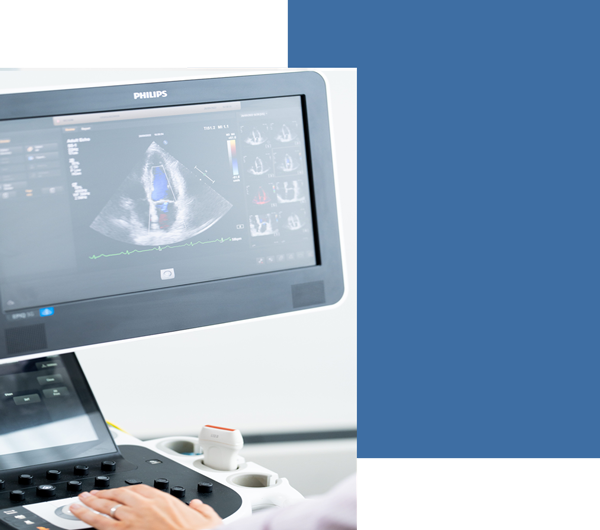
    An Echocardiogram (Echo) is a painless ultrasound scan that gives me detailed, moving pictures of your heart’s structure and function. It’s an essential test for investigating symptoms like shortness of breath, chest discomfort or fatigue.

    Using a small probe on your chest, I can quickly evaluate your heart’s pumping strength, check your heart valves for any leaking or narrowing, and identify areas of the heart that may be damaged from a previous heart attack or poor blood supply.

  • Blood Test:

    A blood test serves 3 critical roles. It allows me to assess your long-term risk for Coronary Artery Disease by analysing your cholesterol levels, a key driver of plaque buildup. It is also used to confirm a recent heart attack by detecting specific proteins (like troponin) that leak into the blood after heart damage. Furthermore, we can check for heart failure by measuring a hormone called BNP—a ‘strain signal’ released by the heart when it is struggling to pump effectively.

Step 3: Advanced Imaging to See Inside Your Heart Arteries

If we need to get a precise look at the cause of your chest pain or shortness of breath, the next step is advanced cardiac imaging.

These powerful, non-invasive scans allow me to see not just the structure of your heart, but how it functions and where the specific problems lie:

  • Exercise Stress Test (Treadmill Test): Seeing Your Heart Under Pressure

    Sometimes, symptoms like chest discomfort or tightness only appear when your heart is working hard. A Stress Test is designed to safely replicate this exertion in a controlled environment.

    For this test, you’ll walk on a treadmill or ride a stationary bike while we carefully monitor your heart’s rhythm with an ECG and track your blood pressure. This is a fundamental test that helps us understand how your heart reacts to exercise and can reveal if a reduced blood supply is causing your symptoms.

    If you are unable to exercise, you may be given medicine that safely makes your heart respond as if you were.

  • Stress Echocardiogram (Stress Echo): A More Detailed View

    To get an even more detailed picture of your heart’s function under pressure, we can perform a Stress Echocardiogram. This advanced test combines an echocardiogram (ultrasound of the heart) with the principles of a stress test.

    As your heart rate increases through either exercise or medication, we use an ultrasound probe to watch your heart muscle contracting in real-time. This powerful diagnostic allows me to see precisely which areas of the heart may be struggling due to a blocked artery, helping to diagnose conditions like angina or assess the severity of existing heart disease.

  • CT Coronary Angiogram: A 3D Map of Your Heart

    This is a game-changer in modern cardiology. During a CT Coronary Angiogram, a specialised scanner takes hundreds of images of your heart. A powerful computer then uses these images to create a stunningly detailed 3D map of your coronary arteries—the blood vessels that supply your heart.

    This allows me to non-invasively and precisely locate any plaque buildup or narrowing. It’s the most direct way to see the extent of Coronary Artery Disease and is invaluable for planning your treatment.

Effective Treatment Strategies for Coronary Artery Disease

Once we have an accurate diagnosis, our goal is to create a personalised treatment plan for your Coronary Artery Disease (CAD).

An effective plan is not just about one thing; it’s a comprehensive strategy designed to relieve your symptoms, slow the progression of the disease, and, most importantly, reduce your risk of a future heart attack.

In my London clinic, I tailor treatment using a combination of 3 key pillars:

Is All Chest Pain Heart-Related? Understanding Non-Cardiac Causes

Any form of chest pain is understandably worrying, and your first thought is often, “Is this my heart?”. While it’s vital to first rule out a cardiac cause, it’s reassuring to know that many types of chest discomfort are not related to your heart at all.

As a specialist, my first job is to ensure your heart is healthy. Once we have confirmed that, we can explore other potential reasons for your discomfort. Here are some of the most common non-cardiac causes of chest pain I discuss with patients in my London clinic:

  • Digestive Causes: Heartburn and More

    One of the most common mimics of cardiac chest pain originates from the digestive system. This can include:

    • Gastro-oesophageal Reflux Disease (GORD): Often called acid reflux, this is when stomach acid moves up into your oesophagus (the tube connecting your throat and stomach). This can cause a painful burning sensation in the chest known as heartburn (or indigestion), which can feel very similar to heart-related pain.
    • Swallowing Disorders: Issues with the oesophagus can make swallowing difficult or painful, leading to a feeling of pressure or pain in the chest.
    • Gallbladder or Pancreas Problems: Gallstones or inflammation in these organs can cause sharp abdominal pain that radiates upwards into the chest area.
  • Lung-Related Conditions

    Your lungs share the chest cavity with your heart, and several lung conditions can cause significant pain:

    • Pulmonary Embolism: This is a serious condition where a blood clot travels to the lungs. The sudden chest pain and shortness of breath can feel exactly like a heart attack and requires urgent medical attention.
    • Pleurisy: Inflammation of the lining around your lungs causes a sharp, stabbing chest pain that gets worse when you breathe deeply or cough.
    • Collapsed Lung (Pneumothorax): If air leaks into the space between your lung and ribs, it can cause a sudden and sharp chest pain that lasts for hours, usually accompanied by shortness of breath.
  • Muscle and Bone Pain (Musculoskeletal)

    Sometimes the pain comes from the structures of the chest wall itself—the muscles, ribs, and cartilage.

    • Costochondritis: A very common cause of A&E visits, this is inflammation of the cartilage connecting your ribs to your breastbone. It can cause a sharp, tender ache that can be mistaken for a heart attack.
    • Injured or Bruised Ribs: An injury to the ribs can cause significant, localised chest pain.
    • Muscle Strain: Overexertion or even heavy coughing can strain the chest muscles, leading to persistent soreness and tightness.
  • Anxiety and Panic Attacks

    The mind and body are powerfully connected. A panic attack can trigger very real, physical symptoms that are almost indistinguishable from a heart attack, including:

    • Intense chest pain or discomfort.
    • A fast, pounding heartbeat (palpitations).
    • Dizziness, sweating, and shortness of breath.
  • Pinched Nerves

    Issues with the spine, such as a pinched nerve in the middle back, can sometimes refer pain around to the chest wall, causing a sharp or burning sensation.

    The Most Important Message: Never Guess, Always get Assessed!

    As you can see, the symptoms of these conditions overlap significantly, making it impossible to self-diagnose the cause of your chest pain. My absolute priority is always to first rule out your heart as the cause. An expert assessment provides not only an accurate diagnosis but, most importantly, peace of mind.

    If you are experiencing any form of chest pain, book a consultation to get a definitive answer.

Frequently Asked Questions about Coronary Artery Disease

  • What is the best test to diagnose coronary artery disease?

    The most effective and accurate non-invasive test for diagnosing coronary artery disease (CAD) is a CT Coronary Angiogram (CTCA). This advanced scan provides detailed, 3D images of your heart and coronary arteries, allowing us to precisely identify any narrowing or blockages caused by plaque buildup.

    While the CTCA is the gold standard for diagnosis, a comprehensive cardiac assessment often begins with foundational tests like an ECG and Echocardiogram to evaluate your heart’s rhythm and function. Depending on your specific symptoms and risk profile, a CT Calcium Score or a Stress Echocardiogram may also be recommended.

    A specialist consultation is the only way to determine the best diagnostic path for your individual needs.

  • Can coronary artery disease be reversed or cured?

    While there is no definitive “cure” for coronary artery disease, its progression can be significantly halted, and in some cases, the plaque buildup can be stabilised and even reduced. This process is often referred to as the reversal of coronary artery disease, and it is a primary goal of modern cardiac treatment.

    Achieving this requires a two-pronged approach:

    1. Optimal Medical Therapy: Using evidence-based medications such as statins to lower cholesterol, aspirin to prevent clots, and drugs to control blood pressure.
    2. Aggressive Lifestyle Changes: Committing to a heart-healthy diet, regular exercise, quitting smoking, and managing stress.

    With a dedicated, personalised treatment plan from a specialist cardiologist, many patients can successfully manage their CAD, reduce symptoms, and significantly lower their risk of future events like a heart attack, all while improving their overall quality of life.

  • What are the first signs of a blocked artery?

    The earliest and most common sign of a blocked or narrowed coronary artery is angina, which is chest pain or discomfort that occurs when your heart isn’t getting enough oxygen-rich blood. Angina is often described as:

    • A feeling of pressure, tightness, squeezing, or heaviness in the chest.
    • Pain that can radiate to the left arm, jaw, neck, or back.
    • It is typically triggered by physical exertion or emotional stress and subsides with rest.

    Other key symptoms of coronary artery disease can include:

    • Shortness of breath, especially during activity.
    • Unexplained fatigue or a feeling of being unusually tired.
    • Palpitations or a fluttering sensation in the chest.

    It’s important to note that sometimes CAD can be “silent” and not cause any noticeable symptoms until a major cardiac event occurs. If you experience any of these signs or have significant risk factors, it is crucial to seek an expert medical assessment from a cardiologist.

  • How is coronary artery disease treated without surgery?

    Non-surgical management is the cornerstone of treatment for the vast majority of patients with coronary artery disease. The goal of treatment without surgery is to manage symptoms, slow the progression of the disease, and reduce the risk of a future heart attack or stroke.

    This is achieved through a combination of two key strategies:

    1. Optimal Medical Therapy: This involves a personalised regimen of medications designed to tackle the underlying causes and symptoms of CAD. This can include statins to lower cholesterol, antiplatelet therapy (like aspirin) to prevent blood clots, and medications to control high blood pressure and relieve chest pain (angina).
    2. Targeted Lifestyle Modification: This is just as important as medication. A cardiologist will provide a structured plan for a heart-healthy diet, a regular exercise programme, smoking cessation, and weight management.

    This proactive, non-surgical approach is highly effective in managing coronary artery disease for the long term. Invasive procedures like stents or bypass surgery are typically reserved for patients with more severe blockages or for whom medical therapy is not sufficient.

  • Does a high CT Calcium Score mean I will definitely have a heart attack?

    No, a high CT Calcium Score does not mean you will definitely have a heart attack. It is very important to understand this.

    The coronary calcium score is a measurement of the amount of hardened plaque in your heart’s arteries, which has built up over your lifetime. Think of it as an indicator of your long-term risk. A high score means you are at a higher statistical risk of a future cardiac event compared to someone with a zero or low score.

    The real value of a high calcium score is that it provides a powerful “wake-up call” and allows us to be much more proactive and aggressive in preventing a heart attack. When a patient has a high score, it guides us to implement a robust preventative treatment strategy, which includes:

    • Optimising statin therapy to lower cholesterol.
    • Aggressively managing blood pressure.
    • Implementing targeted lifestyle changes.

    Therefore, a high score is not a diagnosis of an impending event; it is an invaluable piece of information that empowers you and your cardiologist to take decisive action to protect your future heart health.

  • What is the difference between an ECG, an Echocardiogram, and a CT Angiogram for diagnosing CAD?

    These are three distinct but complementary cardiac tests, each providing a unique view of your heart’s health. A specialist uses them in sequence to build a complete picture.

    • ECG (Electrocardiogram): This is a baseline test that records your heart’s electrical activity and rhythm. While it can show evidence of a previous heart attack or strain on the heart, it cannot directly visualize the arteries and is not a primary tool for diagnosing the presence of blockages.
    • Echocardiogram (Echo): This is a detailed ultrasound scan of your heart. Its main purpose is to assess the pumping function of your heart muscle and the health of your heart valves. It can show if an area of the heart muscle has been damaged by a blocked artery, but like an ECG, it does not see inside the arteries themselves.
    • CT Coronary Angiogram (CTCA): This is the modern, non-invasive gold standard for the diagnosis of coronary artery disease. It is an advanced CT scan that directly visualizes your coronary arteries in 3D, allowing us to see precisely where plaque has built up and if there are any significant narrowings.

    In short, while an ECG and Echo assess the effects of CAD on your heart, a CTCA directly diagnoses the presence of the disease itself.

  • What are the most important lifestyle changes to manage coronary artery disease?

    Lifestyle changes are the absolute foundation of any successful plan to manage coronary artery disease. While medication is crucial, these modifications can halt the progression of the disease and significantly reduce your cardiac risk. The most important changes are:

    Adopt a Heart-Healthy Diet: Focus on the principles of a Mediterranean diet, rich in fruits, vegetables, fish, and healthy fats like olive oil. Crucially, you must reduce your intake of saturated fats, processed foods, and sodium.

    Engage in Regular Physical Activity: Aim for at least 150 minutes of moderate-intensity exercise (like brisk walking, cycling, or swimming) per week. This helps control weight, lower blood pressure, and improve circulation.

    Quit Smoking: If you smoke, quitting is the single most effective lifestyle change you can make to improve your heart health.

    Manage Your Weight: Maintaining a healthy weight reduces the overall strain on your heart.

    Control Blood Pressure and Cholesterol: While medication is often required, dietary changes and exercise play a vital role in managing these key risk factors.

    A specialist cardiologist can help you create a safe and effective lifestyle modification plan tailored to your specific condition and needs.